From phone calls to a live network
At Attar Singh & Sons, a C&F and 3PL company, AI has turned the supply chain we run for our principal companies, once managed on phone calls, registers and memory, into one we can see, measure and act on every hour.
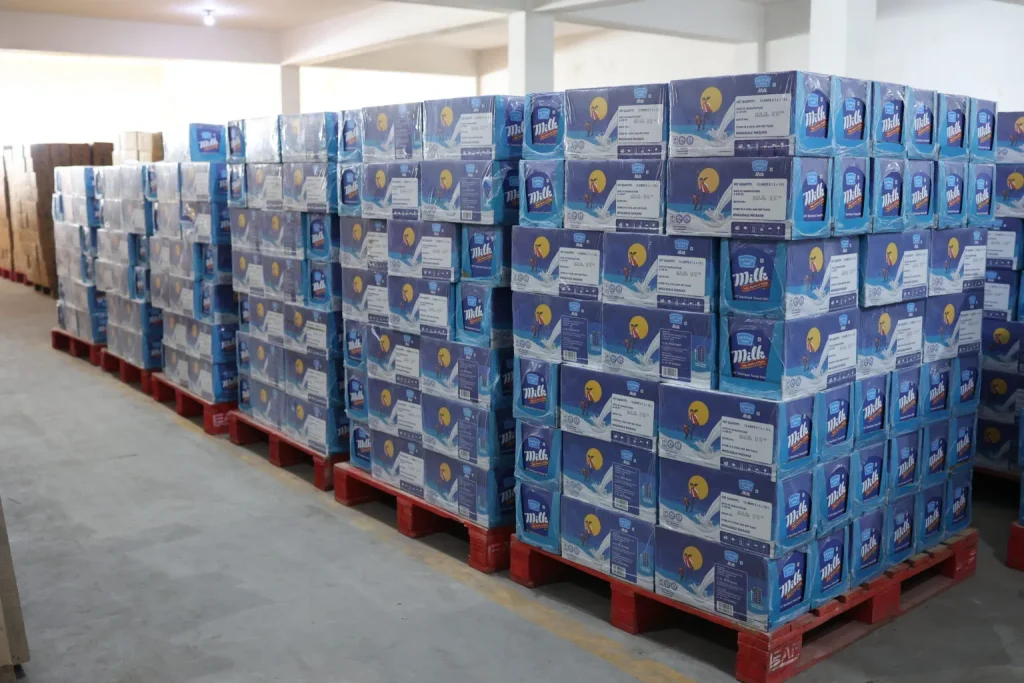
We are a Carrying & Forwarding (C&F) agent and third-party logistics (3PL) partner based in Jammu. Brands trust us to receive their stock, store it in our warehouses, process their orders and deliver to distributors, stockists and retailers across the region. We hold their inventory, raise invoices on their behalf, and bring back the PODs, paperwork and payments that close every transaction.
When you run the supply chain for someone else’s brand, every delay is seen by two customers: the principal company and the party waiting for the goods. This post is the story of how AI is helping us meet that standard. It is not about expensive software or a big consulting project. It is about a traditional logistics business learning to use AI as a working partner, one process at a time.
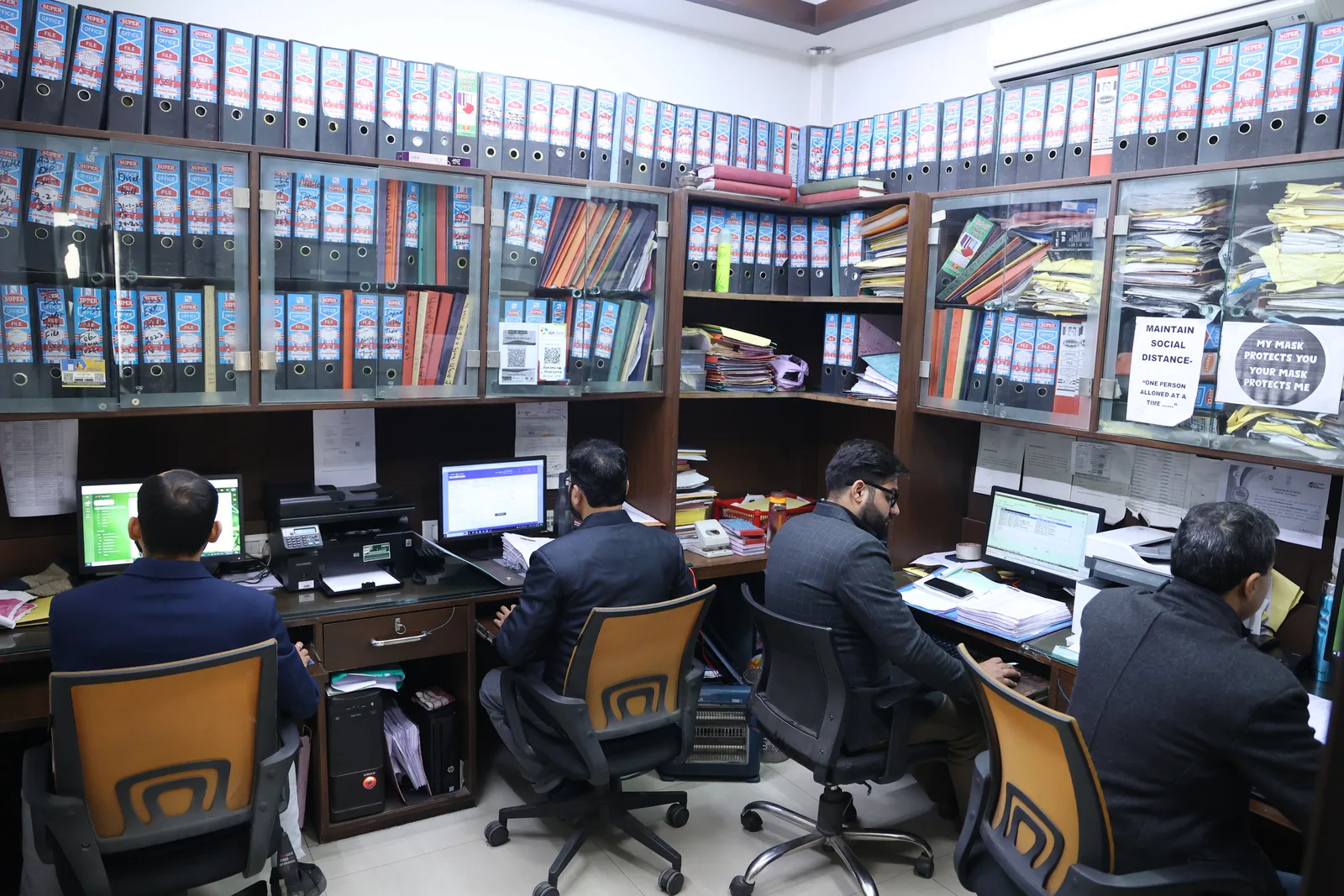
The old way: busy, but blind
Our biggest problem was never effort. It was visibility. Everyone worked hard, but nobody could see the whole picture at once.
A typical week looked like this:
- Dispatches slipped quietly. A principal’s order would sit at one step for days because the person responsible did not know it was waiting on them.
- PODs went missing. Goods reached the stockist, but the Proof of Delivery did not reach us. Without it, principals could not close their records and our own billing stalled.
- Stock reconciliation was painful. Matching each principal’s book stock with what was physically on our racks, including damages and near-expiry goods, took days.
- Cost-to-serve was a guess. We knew our C&F commission and handling charges. We were far less sure which principals, parties and routes actually cost us more to serve.
- Reports came too late. When a principal asked for a status update, we had to call around before we could answer.
The result was a business that reacted to problems instead of preventing them.
Step one: one source of truth with FMS
Before AI could help us, our data had to live in one place. We did this with an FMS (Flow Management System): a structured tracker, built on Google Sheets, that maps every principal’s order through each step of our C&F process.
Each step has a planned time, an actual time, a status and an owner: stock received from the principal, order received, invoice raised, picked and packed, dispatched, delivered, POD received. When a step is done, the doer marks it. When it is late, the sheet shows it.
This sounds simple, and it is. But it changed the culture. Work stopped being “I think it went out yesterday” and became a timestamp anyone could check. Just as important, it gave us clean, consistent data, which is exactly what AI needs to be useful.
Where AI comes in
With the FMS in place, we started using AI to read that data, build reports on top of it and answer questions about it in plain language. Importantly, the AI never edits the FMS itself. It reads the tracker and builds separate, live reports, so our source of truth stays safe.
1. Live pending-dispatch reports
AI builds a pending list straight from the dispatch step’s status column, for every principal we serve. Each order not yet dispatched appears with how long it has been waiting, grouped into ageing buckets such as 0–2 days, 3–5 days and over a week. A daywise pendency percentage shows whether we are catching up or falling behind.
The morning meeting no longer starts with “what is pending?” It starts with “why are these five orders over a week old?”
2. Company-wise Pending POD tracking
For a C&F agent, a delivery is not complete until the POD is back. AI produces a company-wise summary of everything dispatched where the POD is still not marked Done. Late cases are flagged in red, and the report refreshes itself every hour. Our teams now chase the right PODs on the same day, and principals get their documents without having to follow up.
3. Profitability by principal and by party
This was the biggest eye-opener. Every principal we work with has its own terms: commission, handling rates, freight, schemes and claims. A flat view of turnover hides which accounts truly pay their way.
We gave AI those rules, and it now calculates our real contribution item by item, sorts by value and shows each one’s share of the total. It does the same for parties: who our most profitable stockists are, how they rank, and which accounts are not viable on current terms.
4. Asking questions in plain language
Much of our team is more comfortable in Hindi or Hinglish than in spreadsheet formulas. Being able to simply ask, “Kaunsi party ka GP sabse kam hai?” and get an answer has made data usable for people who would never open a pivot table.
5. Visibility our principals can trust
As a 3PL partner, our reports are also our principals’ window into their own supply chain. Because the pendency and POD reports are live, we can share an accurate picture of their orders, dispatches and documents at any time, instead of compiling it on request.
What changed
The biggest shift is that problems now surface while they are still small.
| Area | Before | After |
|---|---|---|
| Dispatch | Delays found when a stockist complained | Ageing buckets show every stuck order, principal by principal |
| POD | Missing PODs discovered at month-end | Hourly company-wise list, late ones in red |
| Principal updates | Status compiled by phone on request | Live reports ready to share at any time |
| Profitability | Commission known, cost-to-serve guessed | Contribution by principal, item and party |
| Accountability | “I thought someone else did it” | Every step has an owner and a timestamp |
Faster PODs mean faster claims, billing and better cash flow for us and our principals. Clear profitability means sharper conversations when we take on or renew a principal. And because the reports are live, our managers spend their time fixing problems rather than finding them.
Lessons for other traditional businesses
If you run a C&F, 3PL or distribution business and are wondering where to start, here is what we learned:
- Fix the process before adding AI. AI is only as good as the data it reads. A simple, disciplined tracker came first.
- Never let AI touch the master data. Let it read and build reports on the side. Your source of truth stays clean.
- Start with one painful report. For us it was pending dispatches. One quick win builds trust across the team.
- Teach AI your business rules. Generic margins are misleading. Brand terms and schemes are what turn numbers into insight.
- Make it usable in your team’s language. Adoption follows comfort, not features.
The road ahead
We are only getting started. Next, we want AI to help us forecast each principal’s demand by season, plan delivery routes, optimise space in our warehouses, and alert principals to slow-moving and near-expiry stock before it becomes a loss.
But the real transformation has already happened. Attar Singh & Sons is still a family-run C&F and 3PL partner built on trust with the brands we represent. AI has not replaced that. It has given our people the visibility to keep those promises, every single day.
Tarunvir Kukreja, Attar Singh & Sons